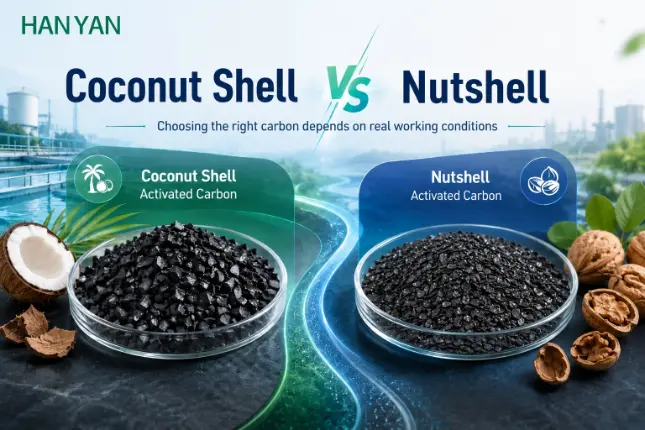
Coconut shell activated carbon has long been recognized for its high hardness, low ash content, developed microporous structure, and stable adsorption performance. It is widely used in water purification, gold recovery, air treatment, food processing, and many other applications.
However, recent market conditions have made many buyers more sensitive to coconut shell carbon costs. Public market information shows that coconut shell activated carbon prices still vary significantly by iodine value, particle size, raw material source, and application grade. Premium coconut shell granular activated carbon, especially high-iodine grades, continues to maintain a noticeable price advantage over lower-grade products.
Against this background, a practical question is becoming more common in procurement discussions: can nutshell activated carbon be used as an alternative to coconut shell activated carbon?
The answer depends on the application. Nutshell activated carbon is not a universal replacement for coconut shell carbon, but it may be worth evaluating in selected applications where cost control, general adsorption performance, and practical service life need to be balanced.
Why Buyers Are Looking for Alternatives
The cost of coconut shell activated carbon is closely related to coconut shell charcoal supply, activation cost, energy cost, freight, and demand from high-value applications. When these factors fluctuate, buyers using large volumes of activated carbon may face stronger pressure on procurement budgets.
This is especially noticeable in applications where activated carbon is replaced regularly, such as industrial water treatment, odor control, general purification, and certain filtration systems.
For these buyers, the goal is not simply to find a cheaper product. The more important question is whether an alternative carbon can maintain acceptable performance, replacement cycle, and total treatment cost.
What Is Nutshell Activated Carbon?
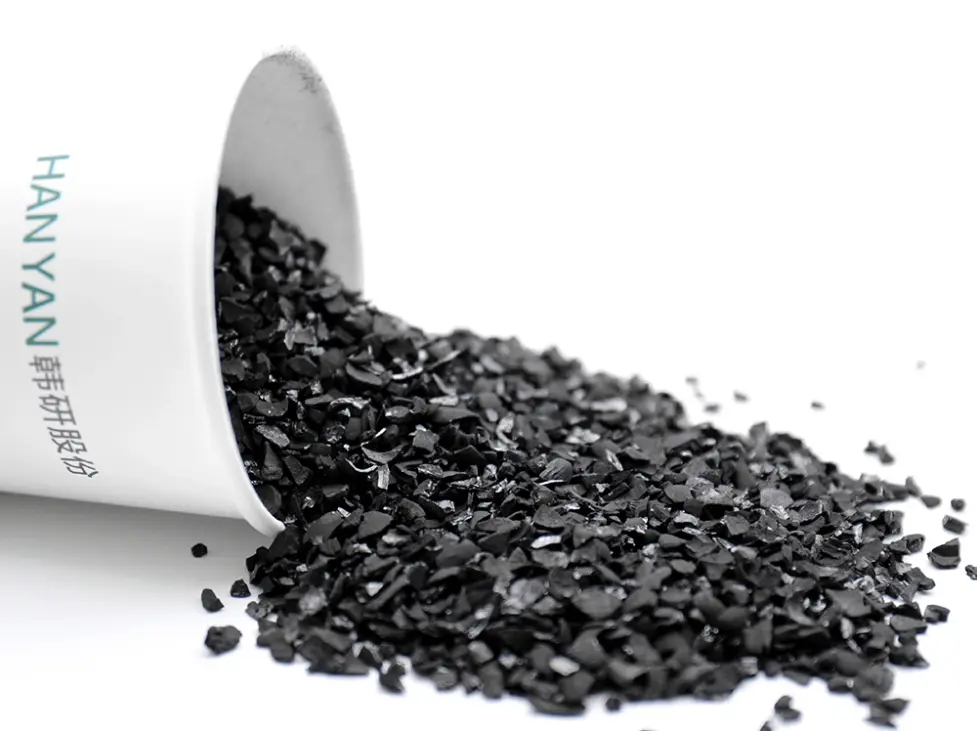
Nutshell activated carbon is usually produced from hard biomass shells such as walnut shell, apricot shell, peach shell, jujube shell, or similar agricultural shell materials. Like coconut shell carbon, it belongs to biomass-based activated carbon and can be produced into granular or powdered forms depending on the application.
When properly carbonized and activated, nutshell activated carbon can provide useful hardness, pore structure, and adsorption performance for many purification applications.
However, its performance can vary depending on raw material source, activation method, particle size distribution, ash content, and production quality control. Therefore, it should be evaluated based on actual specifications and application testing, not only by raw material name.
Where Substitution May Be Feasible
Nutshell activated carbon may be considered in applications where the main target is general adsorption, moderate organic removal, color reduction, odor control, or secondary purification.
Possible application areas include:
- General industrial water treatment
- Some wastewater polishing applications
- General odor reduction in non-critical gas streams
- Liquid purification with moderate performance requirements
- Pre-treatment or secondary adsorption stages
- Applications where cost control is important and performance can be validated by testing
In these cases, nutshell carbon may help reduce cost pressure while maintaining workable purification performance, provided that it is selected according to actual operating conditions.
Where Coconut Shell Carbon May Still Be Necessary
Coconut shell activated carbon may still be the safer choice when the application requires high hardness, low ash, strong microporous adsorption, low impurity release, or a long and stable service life under strict quality requirements.
Applications that may still require coconut shell carbon include:
- Gold recovery by CIP, CIL, or heap leaching
- High-purity drinking water purification
- Food-grade or pharmaceutical-related purification
- High-end air purification requiring stable microporous adsorption
- Processes with strict ash, hardness, or leaching requirements
- Applications already validated with coconut shell carbon where switching risk is high
For these uses, switching raw materials only to reduce unit price may create higher downstream risk if adsorption capacity, hardness, ash, or service life cannot meet the original requirement.
What Should Be Compared Before Replacement?
Before replacing coconut shell activated carbon with nutshell activated carbon, buyers should compare more than iodine value alone.
Useful comparison points include:
- Iodine value and target adsorption indicators
- Methylene blue value or CTC value, depending on the application
- Hardness and abrasion resistance
- Ash content and soluble impurities
- Particle size distribution
- Bulk density
- pH value
- Actual removal efficiency in the customer’s system
- Replacement cycle and service life
- Total treatment cost, not only unit price
A small sample test or side-by-side trial is often the most reliable way to judge whether nutshell activated carbon can replace coconut shell activated carbon in a specific process.
A More Practical Approach: Full Replacement or Partial Optimization?
In many cases, the best strategy may not be full replacement. Buyers can also consider partial replacement, blended solutions, or using nutshell carbon in less demanding stages while keeping coconut shell carbon for critical polishing or high-value applications.
For example, a treatment system may use nutshell activated carbon in a pre-treatment stage and coconut shell activated carbon in the final polishing stage. Another customer may use nutshell carbon for general odor control while keeping coconut shell carbon for high-purity water treatment.
This approach can help reduce cost pressure while keeping performance risk under control.
HANYAN Perspective
At HANYAN Activated Carbon, we believe activated carbon selection should be based on application performance rather than raw material name alone. Coconut shell carbon has clear advantages in many premium applications, but nutshell activated carbon can also be a valuable option when the process requirements are suitable.
For customers facing rising coconut shell carbon costs, we can help evaluate whether nutshell activated carbon is worth testing based on application type, target pollutants, operating conditions, and required specifications.
If you are currently using coconut shell activated carbon and want to explore a more cost-effective alternative, please share your application, current carbon specification, dosage, replacement cycle, and performance target. A suitable sample comparison may help identify whether substitution is technically and economically feasible.
Conclusion
Nutshell activated carbon is not a universal replacement for coconut shell activated carbon, but it may be a practical alternative in selected applications. The key is to evaluate performance, service life, and total treatment cost under real operating conditions.
As coconut shell carbon costs remain under pressure, buyers may benefit from a more flexible approach: keep coconut shell carbon where its advantages are necessary, and explore nutshell carbon where performance requirements allow.
Article Keywords: nutshell activated carbon, coconut shell activated carbon alternative, nutshell carbon vs coconut shell carbon, activated carbon cost reduction, granular activated carbon supplier, activated carbon for water treatment, activated carbon for purification