
Trace Elements in Activated Carbon: Why ICP Sample Preparation Matters
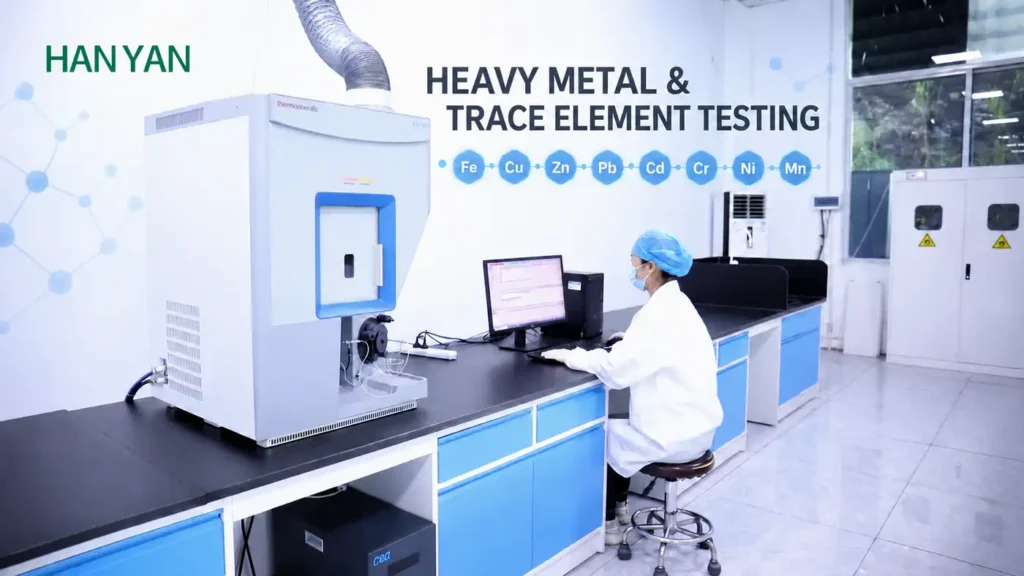
ICP testing can help assess trace elements in activated carbon, but sample preparation determines what the result means. This guide explains common sources of variation and what buyers should check when comparing products and laboratory reports.
How to Evaluate Porous Carbon: BET Surface Area, Pore Volume and Pore Size Distribution
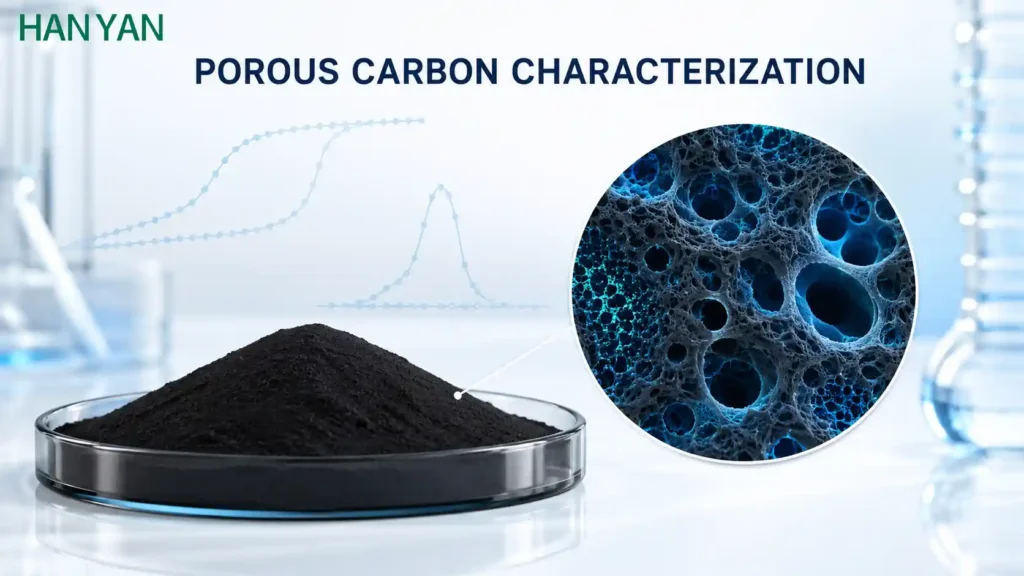
BET surface area is only one part of porous carbon evaluation. Learn how pore volume, pore size distribution, adsorption isotherms, particle size and purity should be interpreted together.
What Types of Activated Carbon Are Commonly Used in Range Hood Filters?
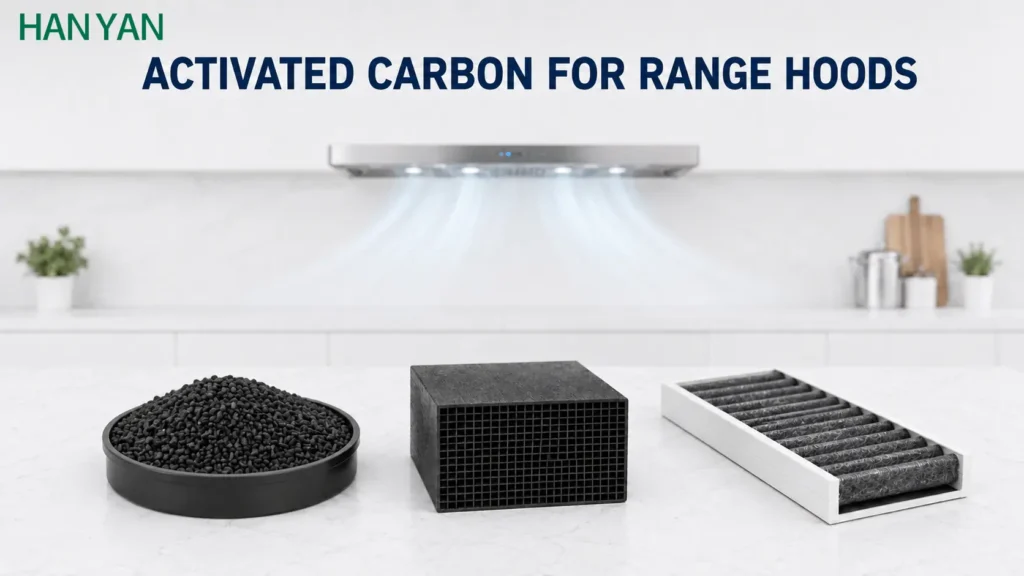
Range hood carbon filters may use pellet activated carbon, customized honeycomb carbon or carbon-sandwiched nonwoven media. Although their structures differ, all three are designed to adsorb cooking odors in recirculating kitchen ventilation systems.
What Activated Carbon Is Commonly Used in Chemical Filters? A Practical Guide for VOCs, Acid Gases, Ammonia and Formaldehyde
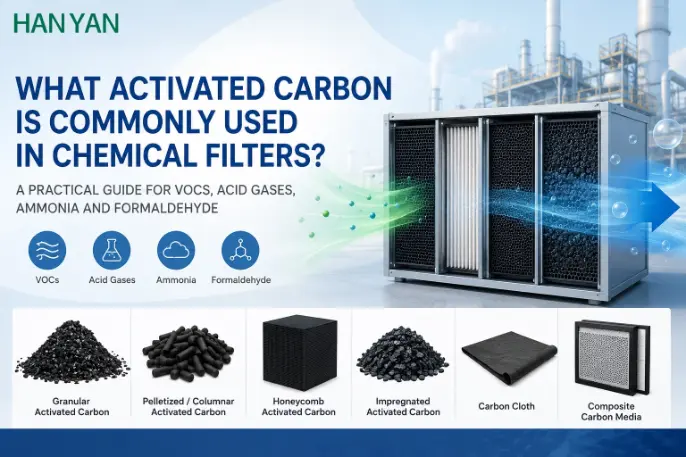
Chemical filters are designed to remove gaseous pollutants such as VOCs, acid gases, ammonia, formaldehyde, and odors. This article explains what types of activated carbon are commonly used in chemical filters and how buyers can select the right carbon based on target gas, airflow, humidity, pressure drop, and service-life requirements.
Can Nutshell Activated Carbon Replace Coconut Shell Activated Carbon? A Practical Discussion Under Rising Cost Pressure
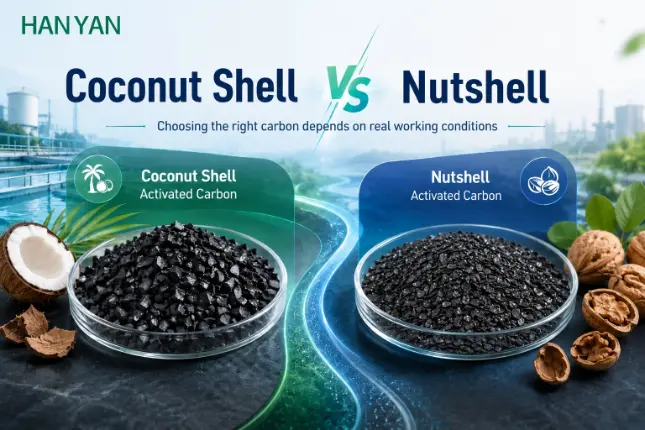
With coconut shell activated carbon prices remaining under cost pressure, some buyers are considering nutshell activated carbon as a possible alternative. This article discusses market background, application feasibility, performance risks, and testing points before replacing coconut shell carbon with nutshell carbon.
Why Powdered Activated Carbon Sometimes Causes Slow Filtration in Decolorization Processes – and How to Improve It
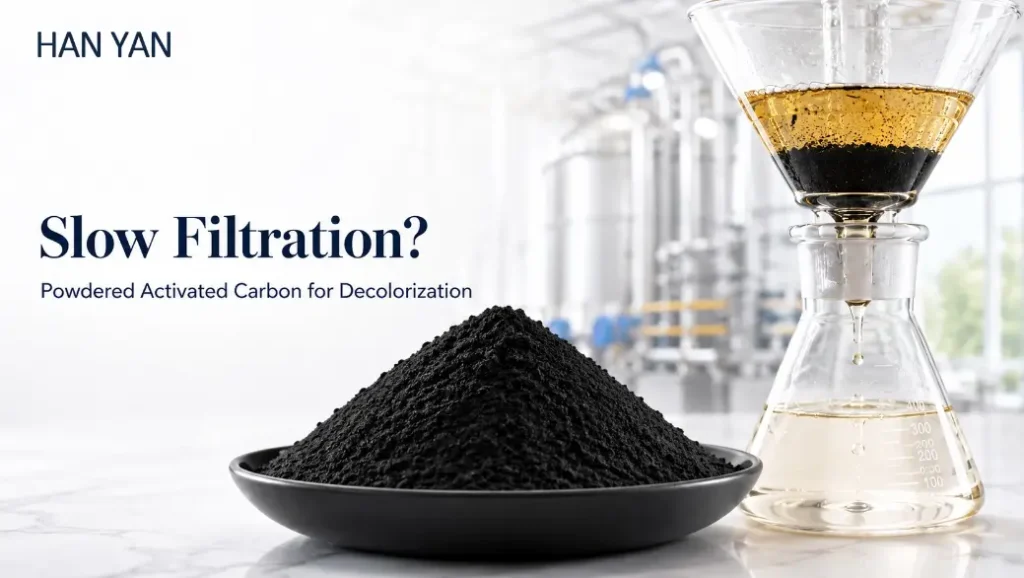
Powdered activated carbon is widely used for liquid decolorization, but some processes experience slow filtration after carbon treatment. This article explains the main reasons behind filtration problems, including particle size distribution, fine powder content, carbon dosage, solution properties, and filtration conditions, while offering practical ways to improve overall process efficiency.
Porous Carbon for Energy Storage: Why Pore Structure Matters
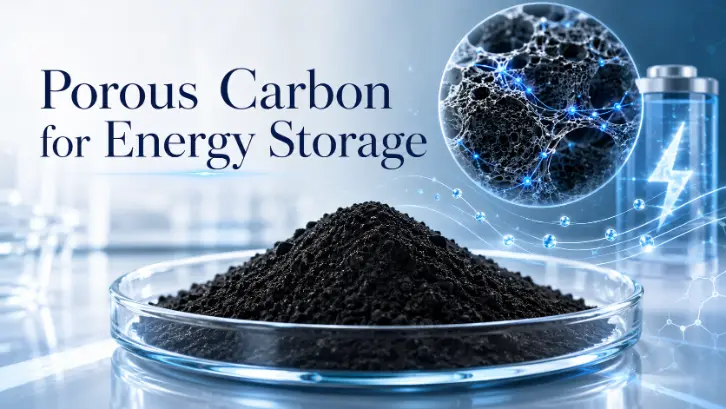
Porous carbon materials are gaining attention in energy storage applications because their pore structure, surface area, conductivity, and stability can influence ion transport and charge storage. From supercapacitors to battery-related materials, advanced porous carbon requires precise structural design, stable production, and application-oriented performance.
Why Activated Carbon Selection Should Be Based on Process Conditions, Not Just Datasheet Values
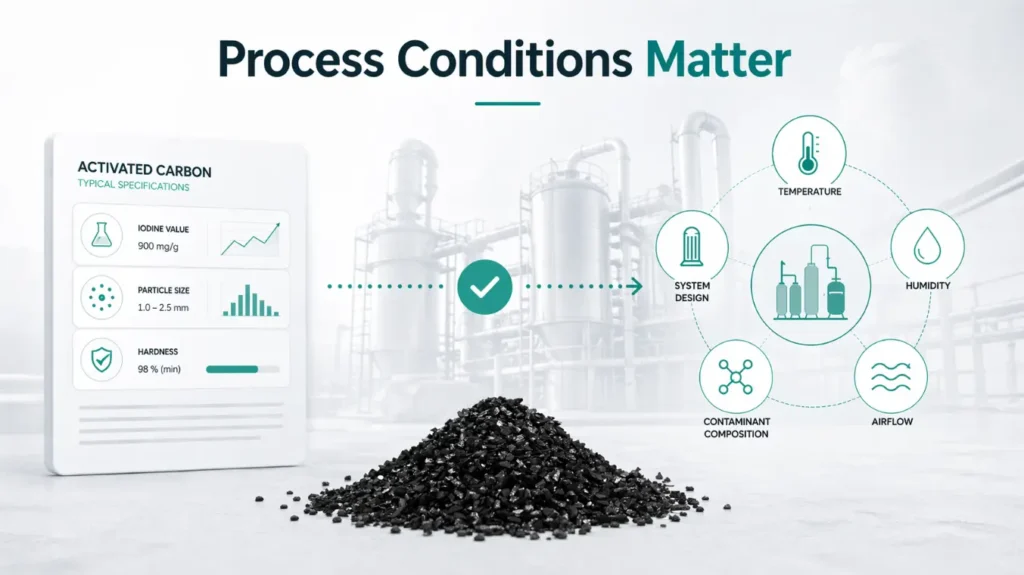
Activated carbon selection should not rely on datasheet values alone. Real performance depends on process conditions such as VOC composition, temperature, airflow, humidity, and system design, all of which can significantly affect adsorption behavior and service life.
Activated Carbon Regeneration vs Replacement: How Industrial Users Should Evaluate Cost, Risk, and Performance
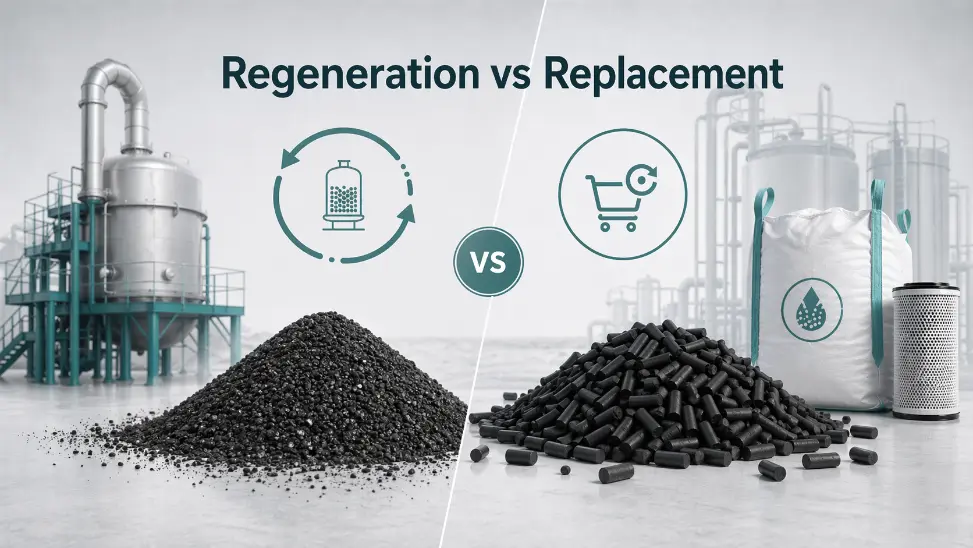
Activated carbon regeneration and replacement each have advantages depending on the application. A practical decision should consider cost, performance retention, operational risk, and system stability rather than media price alone.
Why Activated Carbon Buyers Should Not Wait Until Stock Runs Low to Reorder
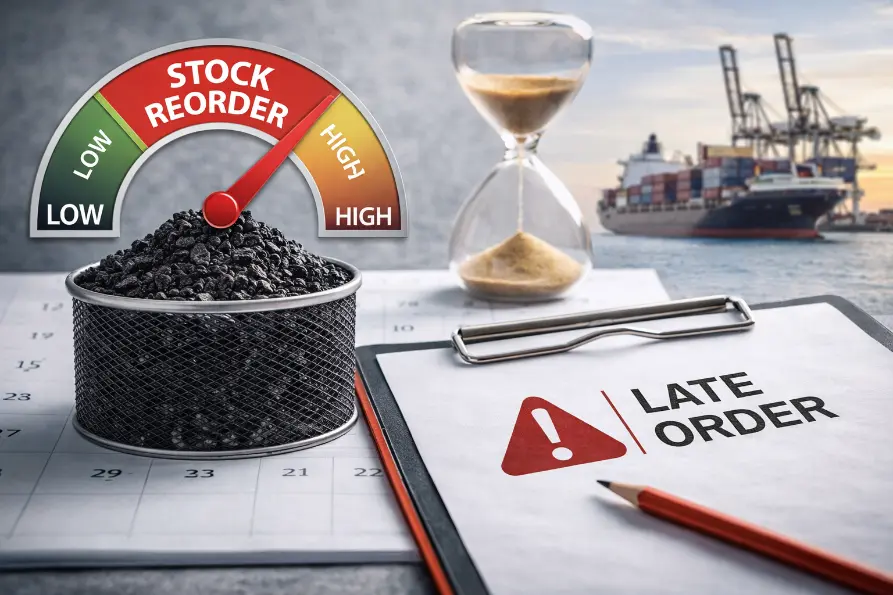
In activated carbon procurement, waiting until inventory is almost depleted may seem efficient, but it often increases supply risk. This article explains why reorder timing matters and how buyers can plan earlier to reduce delays, cost pressure, and operational disruption.